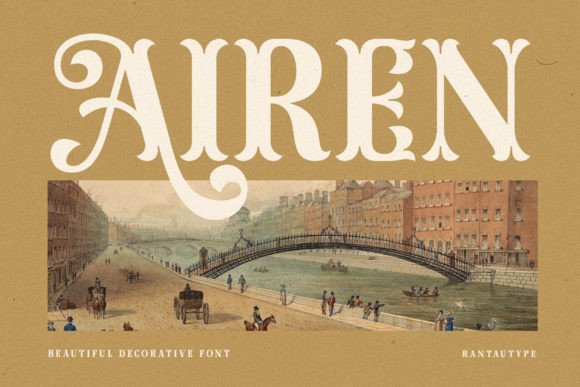
Airen: The Vintage Display Font with Modern Appeal
There’s something undeniably magnetic about typography that carries a story. You know the feeling—when a single font can transport you to a different era, evoke a specific mood, or make a brand feel instantly established. That’s the kind of quiet power Airen brings to the table. This stylish vintage-style display font channels the elegance and craftsmanship of mid-20th century lettering, offering designers and creators a versatile tool that bridges nostalgia with contemporary sophistication.
Why Airen Feels Both Familiar and Fresh
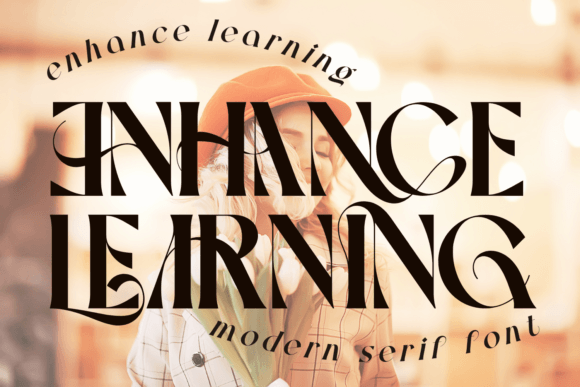
At its core, Airen is a serif font defined by graceful curves and refined serifs that echo the typographic traditions of the 1940s and 1950s. But it doesn’t feel like a dusty relic. Instead, it carries that classic DNA into modern contexts with surprising adaptability. The letterforms have enough character to stand out in a headline, yet they maintain a legibility that makes them practical for more than just display purposes.
What sets Airen apart from many other vintage-inspired fonts is its balance. It avoids the overly ornate or overly simplified extremes that can limit a typeface’s usefulness. Each letter has subtle details—a slight taper here, a soft curve there—that give it personality without sacrificing clarity. Whether you’re setting a brand name on a product label or designing an invitation that needs to feel special, Airen delivers that polished, intentional look.
Practical Applications Across Creative Projects
The real value of a font like Airen lies in how many places it can genuinely improve your work. It’s not just for designers obsessed with typography—it’s for anyone who wants their visual communication to feel more cohesive and professional.
Branding and Logo Design: If you’re building a brand identity that needs to convey heritage, quality, or artisanal care, Airen can anchor your visual language. Think about boutique food brands, heritage-style clothing lines, or independent bookstores. The font’s vintage character adds instant credibility and warmth, helping customers connect emotionally with the brand’s story.
Packaging Design: On packaging, Airen’s elegant serifs and balanced proportions make product names and descriptions feel elevated without being pretentious. It works beautifully for specialty goods, cosmetics, craft beverages, or any product where the packaging itself is part of the experience.
Editorial and Print Layouts: For magazines, lookbooks, or annual reports, Airen can serve as a striking display font for headlines and pull quotes. Pair it with a clean sans-serif for body text, and you’ve got a typographic system that feels both classic and readable.
Digital Presence: On websites, blogs, and social media graphics, Airen helps create visual consistency across platforms. Use it for section headers, featured post titles, or Instagram story overlays to maintain a recognizable style that reinforces your brand’s voice.
Invitations and Event Materials: Wedding invitations, gala programs, or festival posters all benefit from Airen’s nostalgic charm. It sets a tone of elegance and intentionality, making events feel more curated and special.
Merchandise and Marketing Assets: From tote bags to email headers, Airen can unify your marketing materials. Its versatility means you can use it across print and digital assets without it feeling out of place.
Making Typography Work for Your Goals
Choosing a font isn’t just about picking something that looks nice—it’s about matching typeface to purpose. Airen works best when your project calls for a sense of timelessness, craftsmanship, or understated luxury. If you’re designing for a tech startup aiming for ultra-modern minimalism, it might not be the right fit. But if you’re working on a bakery’s branding, a boutique hotel’s website, or a vintage-inspired clothing line, Airen feels like a natural choice.
One practical tip: always test font pairings before committing. Airen pairs well with clean sans-serif fonts for body text, creating a nice contrast between vintage flair and modern readability. Try it with something like a geometric sans or a humanist sans-serif to see how the two interact. Avoid pairing it with other decorative or script fonts, as that can create visual clutter.
Also, consider the different styles included with Airen. Many premium fonts come with alternates, ligatures, or multiple weights. Exploring these options can help you fine-tune your design—maybe using a lighter weight for subtitles or a stylistic alternate for a more unique look in your logo.
Readability and Professional Presentation
Even the most beautiful font fails if people can’t read it. Airen’s design prioritizes legibility, which is crucial for everything from website headers to printed materials. Its serifs are clear without being overly heavy, and the letter spacing is balanced for comfortable reading at various sizes.
That said, context matters. For body text on screens, a sans-serif might still be more practical. But for headings, logos, and display text, Airen strikes a great balance between personality and clarity. Always preview your designs at the intended size and medium—a font that looks perfect on a large poster might need adjustments for a small mobile screen.
Building Brand Recognition Through Consistent Typography
One of the most overlooked aspects of brand identity is typographic consistency. When you use the same font (or font family) across all your touchpoints—from your website to your business cards to your social media posts—you create a visual rhythm that helps people recognize your brand instantly. Airen, with its distinct yet versatile character, can become a core part of that system.
Think about how brands like Apple or Coca-Cola use typography to reinforce their identity. You don’t need to be a global corporation to apply the same principle. By choosing a font like Airen and using it intentionally across your materials, you build familiarity and trust with your audience.
Practical Considerations for Using Airen
Before diving into a project, it’s worth reviewing the font’s licensing. Most premium fonts, including Airen, require a commercial license if you’re using them for business purposes. Make sure you understand the terms—whether it’s a one-time purchase, a subscription, or based on usage scope. This protects both you and the font designer.
Also, take time to explore all the included font files. Airen likely comes with multiple formats (OTF, TTF, WOFF) and possibly stylistic sets or alternates. Familiarizing yourself with these options ensures you’re getting the full value from your design assets.
Finally, don’t be afraid to experiment. Try Airen in unexpected contexts—maybe a minimalist tech brand that wants a touch of warmth, or a modern blog that needs a standout header. Sometimes the most interesting design solutions come from pairing classic elements with contemporary ideas.
In the end, Airen isn’t just a font—it’s a design tool that helps you communicate with more intention and style. Whether you’re refining a brand identity, crafting marketing materials, or designing something special for a personal project, its vintage charm and practical versatility make it a worthwhile addition to your creative toolkit. The right typography doesn’t just make things look better—it makes them feel more meaningful.