Discover the Charm of Sugar Kiddy for Your Creative Projects
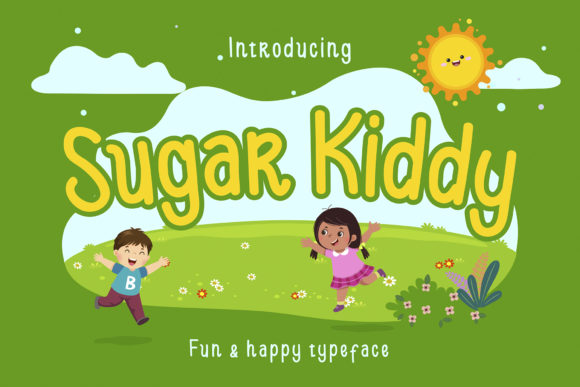
Every designer knows the moment: you’re staring at a blank canvas, and the project calls for something that feels approachable, joyful, and unmistakably human. That’s where a character-driven display typeface can transform your work. Sugar Kiddy is a cute and charming display font. Whimsical and friendly, this font will brighten up each of your designs. Add it confidently to your projects, and you will love the results. It’s the kind of typeface that doesn’t just spell out words—it conveys a mood, a personality, and an immediate connection with the viewer.
A Typeface with Personality: Beyond Basic Letterforms
What makes a font like this stand out in a sea of modern typography? It’s the deliberate design choices that give it life. The letterforms often feature soft, rounded edges, gentle curves, and a balanced weight that feels neither too heavy nor too light. This isn’t a cold, geometric sans serif font; it’s a creative font built for warmth. The visual appeal lies in its ability to feel handcrafted without sacrificing clarity. Each character carries a subtle playfulness—perhaps a slightly uneven baseline or a unique terminal—that makes text feel like it was written with care, not just generated by a machine.
For a brand, this kind of personality is invaluable. It communicates approachability and creativity at a glance. Think of a local bakery that wants to feel welcoming, or a children’s clothing line that needs to evoke joy. Using Sugar Kiddy in their logo design or packaging design instantly sets a tone that a standard serif font or a rigid sans serif simply cannot. It becomes a core part of the brand identity, telling a story before a single word of copy is read.
Practical Applications: Where Whimsy Meets Strategy
Knowing a font is charming is one thing; knowing how to use it effectively is another. The true value of a premium font like this is its versatility across different media. It’s not just for one type of project—it’s a tool for visual communication.
- Branding & Logo Design: Ideal for businesses targeting families, children, creatives, or anyone wanting a friendly face. It works beautifully for wordmark logos where the typography itself is the star.
- Packaging Design: On product labels, boxes, or tags, it can make an item feel handmade, artisanal, and special. It’s perfect for gourmet treats, craft supplies, or boutique goods.
- Social Media Graphics: In the fast-scrolling world of Instagram or Pinterest, a distinctive display font stops the thumb. Use it for quotes, announcements, or profile headers to create a cohesive and engaging feed.
- Web Design & Blogs: While not for body text, it shines in website headers, hero sections, or blog post titles. It can define the entire aesthetic of a digital space, making it feel curated and personal.
- Print Materials & Invitations: From wedding invitations to party flyers, its whimsical nature sets the mood immediately. It’s also great for poster design, book covers, and editorial layouts for magazines with a creative or lifestyle focus.
- Digital Products & Merchandise: For creators selling planners, worksheets, or printable art, this font adds perceived value. On merchandise like t-shirts, mugs, or tote bags, it creates designs people want to wear and use.
The key is matching the font’s personality to your project’s goal. A financial consulting firm might find it too casual, but a pet grooming service would find it perfectly on-brand. This alignment is what separates good design from great, strategic design.
Pairing for Purpose: Building a Typographic System
No font is an island. The real magic happens when you pair it with other typefaces to create hierarchy and readability. Sugar Kiddy, as a display font, is meant for headlines and short bursts of text. For longer paragraphs, you’ll need a complementary partner.
A classic approach is to pair a whimsical display font with a clean, neutral sans serif font for body copy. This creates a beautiful contrast—the fun header draws the eye, while the simple body text keeps the message clear and easy to read. Alternatively, pairing it with a traditional serif font can create an interesting tension between playful and formal, which can work well for boutique editorial layouts or upscale yet friendly branding.
Always test your font pairings in context. Create a mockup of your social media post or your website header. Does the combination feel balanced? Is there enough contrast in weight and style to create a clear visual hierarchy? Readability is paramount. Ensure that any text set in the display font, especially at smaller sizes or in longer phrases, remains legible. Its charm should enhance, not hinder, the message.
Making It Work for You: Licensing and Versatility
When investing in a design asset like a premium font, understanding what you’re getting is crucial. Typically, a well-crafted display typeface comes with multiple font styles. This might include different weights (like regular and bold), or stylistic alternates—those special versions of letters (like a different ‘a’ or ‘g’) that can add even more uniqueness to your text. Exploring these included styles gives you more creative flexibility within a single typeface family.
Equally important is the commercial licensing. If you’re using the font for a client project, for merchandise you sell, or for marketing assets for your business, you need to ensure the license permits commercial use. Reputable font foundries are clear about this. Checking the license protects you legally and supports the designers who create these tools. It’s a professional practice that becomes second nature.
Ultimately, a font like Sugar Kiddy is more than just a set of letters. It’s a design partner. It helps improve visual consistency across all your touchpoints, which strengthens brand recognition. It elevates a professional presentation by adding a layer of thoughtfulness and care. And most importantly, it engages your audience on an emotional level, making your message not just seen, but felt. The right typography doesn’t just deliver information—it delivers an experience.