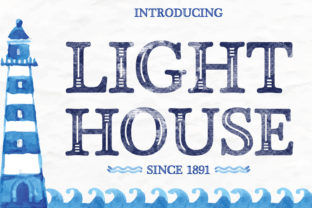
Light House: The All-Caps Font That Commands Attention
There's a moment in every design project where you need typography that doesn't just sit quietly in the background. You need letters that step forward, grab the viewer by the shoulders, and make them pay attention. That's exactly the kind of presence Light House brings to the table. As a striking all-caps display font, it's built for headlines that refuse to be ignored and messages that demand to be remembered.
What makes this particular typeface stand out in a crowded field of display fonts? It's the balance between boldness and clarity. Many decorative or heavy fonts sacrifice readability for style, forcing readers to squint or guess at letterforms. Light House sidesteps that problem entirely. Its geometric structure and generous spacing ensure that even at large sizes, every character remains crisp and legible. Whether you're designing a billboard, a social media banner, or a product label, this font delivers visual punch without confusion.
A Typeface Built for Modern Branding
Brand identity lives and dies by consistency. When a small business owner selects a typeface for their logo, packaging, and marketing materials, they're making a commitment that extends far beyond a single project. Light House works well as a foundational element for brands that want to project confidence, modernity, and approachability simultaneously.
Consider a boutique coffee roaster launching their first line of packaged beans. They need a font that feels artisanal but not fussy, contemporary but not cold. Light House fits that sweet spot. Its all-caps construction gives the brand name a stamp-like authority on packaging, while its clean lines prevent it from looking dated five years down the road. The same font can then carry over to their website headers, Instagram posts, and printed menus, creating a cohesive visual language that customers start to recognize instinctively.
This kind of recognition is what separates forgettable brands from memorable ones. When someone sees the same distinctive lettering on a tote bag, a website, and a business card, those touchpoints reinforce each other. The font becomes part of the brand's personality, not just a functional tool for displaying words.
Where Light House Truly Shines
Display fonts like this one find their strongest applications in contexts where text needs to perform as a visual element, not just a carrier of information. Here are some practical scenarios where this typeface excels:
- Logo design: The all-caps format creates a monolithic, iconic quality that works beautifully for wordmarks and lettermarks.
- Poster and event graphics: Concert posters, festival announcements, and promotional flyers benefit from the font's commanding presence.
- Social media graphics: Bold headlines in Light House stop the scroll on Instagram, Pinterest, and LinkedIn.
- Packaging design: Product names, flavor labels, and brand callouts on boxes and bags look polished and intentional.
- Website hero sections: Large-scale text in the main banner area of a homepage sets the tone for the entire user experience.
- Merchandise: T-shirts, hats, mugs, and stickers featuring this font look professional enough to sell.
- Invitations and announcements: Wedding invitations, graduation announcements, and event save-the-dates gain a contemporary edge.
- Editorial layouts: Magazine covers, book chapter headings, and newsletter titles benefit from the font's readability at display sizes.
- Digital products: Course titles, ebook covers, and worksheet headers for online businesses feel polished and trustworthy.
- Marketing assets: Email headers, banner ads, and promotional flyers gain visual hierarchy and focus.
Notice how many of these applications share a common thread: they all involve a viewer making a snap judgment. In advertising, packaging, and digital content, you often have less than two seconds to communicate what something is and why it matters. A strong display font like Light House helps win that split-second battle for attention.
Pairing Typography for Maximum Impact
One question that comes up frequently among designers and content creators is how to pair a bold display font with other typefaces. Light House, being an all-caps display font, works best when contrasted with a more understated companion for body text. A clean sans serif font handles paragraphs and longer passages well, allowing the display typeface to own the spotlight in headlines and pull quotes.
For a more editorial feel, consider pairing it with a classic serif font. The contrast between Light House's geometric authority and the organic rhythm of a serif creates visual interest and helps readers distinguish between different levels of content hierarchy. If your project leans creative or playful, a subtle script font or handwritten font can add warmth alongside the structured all-caps letters, though this combination works best when used sparingly.
The key principle in font pairing is contrast without conflict. You want the two typefaces to feel different enough that they create visual variety, but similar enough in spirit that they don't clash. Testing combinations in context—mocking up a real social media post or a sample business card—is always more informative than staring at font specimens in isolation.
Readability and Practical Considerations
Because Light House is designed as a display typeface, it's important to use it where it performs best: at larger sizes. Headlines, titles, short phrases, and brand names are its natural habitat. Running a display font at small sizes for body copy is a common mistake that undermines readability and defeats the purpose of choosing a bold typeface in the first place.
When working on projects that involve extended reading—blog posts, product descriptions, email newsletters—pair Light House with a body-friendly typeface that's optimized for smaller text. This division of labor between display and text fonts is one of the most practical habits a designer or business owner can develop. It keeps layouts clean, hierarchies clear, and readers comfortable.
Another practical consideration is commercial licensing. If you're using this font for client work, merchandise, or any project that generates revenue, make sure you understand the licensing terms. Many premium fonts include different license levels for personal and commercial use. Checking this before you commit to a font for a brand identity system saves headaches later and ensures your design assets are legally sound.
Making the Most of a Creative Font Choice
Typography is one of those design elements that people notice without consciously noticing. A well-chosen font communicates tone, professionalism, and intention before anyone reads a single word. Light House offers a specific kind of visual voice: confident, clean, and contemporary. It's not trying to be everything to everyone, and that specificity is actually its strength.
For entrepreneurs building a brand from scratch, this typeface provides a strong starting point. For designers refreshing a client's visual identity, it offers a modern alternative to overused display fonts. For content creators looking to elevate their social media presence, it adds a layer of polish that separates amateur graphics from professional ones.
The best font choices happen when you match the personality of the typeface to the personality of the project. If your work needs to feel bold, direct, and visually striking, Light House deserves a spot on your shortlist. Test it out, experiment with pairings, and see how it transforms the projects where you need typography that truly stands out.