Pink Sheet: A Charming Font for Creative Branding
Ever scrolled through a design and felt an instant connection, a sense of playfulness that just made you smile? That's the power a thoughtfully chosen display font can wield. It's not just about the letters; it's about the personality they inject into your message. For projects that need a touch of whimsy, approachability, and undeniable charm, a typeface like Pink Sheet becomes a secret weapon in your creative toolkit. It’s the kind of font that doesn’t just sit on a page—it performs, bringing a delightful energy that can transform the mundane into the memorable.
The Visual Personality Behind the Name
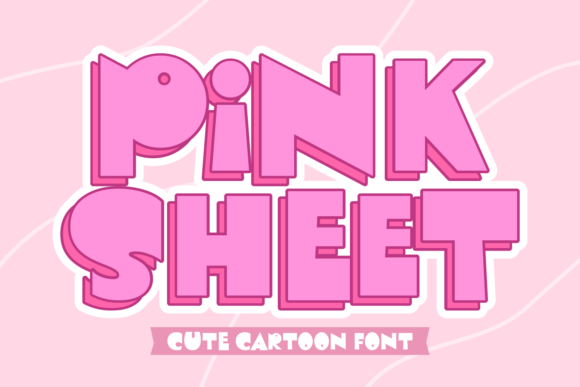
At its heart, Pink Sheet is a cute and charming display font. Described as whimsical and a bit quirky, it's designed to brighten up each of your designs. What does that mean in practical terms? Imagine letterforms with slightly rounded edges, playful curves, and a friendly, informal vibe. It’s not a stiff, corporate typeface. Instead, it feels handcrafted and approachable, making it ideal for projects where you want to connect on a human level. This kind of creative font sits comfortably in a unique space—it’s more structured than a casual handwritten font, yet far more personable than a standard sans serif. It’s a modern typography choice that prioritizes emotional resonance.
Where a Whimsical Font Truly Shines
Knowing a font's personality is one thing; understanding where to deploy it is where the real value lies. A display font like this isn't your best choice for long-form body text, but it excels as a headline hero or a branding accent. Its strength lies in capturing attention and setting a mood quickly. Consider adding it confidently to your projects in these key areas:
- Brand Identity & Logo Design: For businesses targeting a younger demographic, or brands in the lifestyle, beauty, children's, or artisanal food space, this font can become a cornerstone of your visual identity. It’s perfect for a logo that needs to feel friendly and accessible, or for creating consistent brand collateral like business cards and letterheads.
- Packaging & Merchandise: On a shelf crowded with competitors, whimsical packaging design stands out. Use Pink Sheet for product names, taglines, or special edition labels to evoke a sense of fun and quality. It translates beautifully onto tote bags, mugs, and stickers, making merchandise feel like a coveted item.
- Digital Presence: Your website and social media graphics are prime real estate for this font. Use it for blog post titles, Instagram quote graphics, YouTube thumbnails, or website banners to instantly create a cohesive and engaging visual language. It boosts audience engagement by making content feel more relatable and shareable.
- Print & Invitations: From wedding invitations to birthday party flyers, event posters to thank-you cards, this font adds a celebratory and personal touch. It’s also excellent for editorial design in magazines or lookbooks, especially for pull quotes or section headers that need to draw the reader's eye.
- Marketing Assets & Digital Products: Create compelling e-book covers, online course graphics, or lead magnet designs. Its distinctive look helps your marketing materials and digital products stand out in a crowded marketplace, improving brand recognition at a glance.
Making It Work: Practical Typography Tips
Adopting a new font is exciting, but a strategic approach ensures it enhances rather than overwhelms your design. The goal is to use its charm to support your message, not distract from it. Here’s how to integrate a display font effectively into your workflow.
First, pair it wisely. A standout display font needs a reliable partner for longer text. Pair Pink Sheet with a clean, neutral sans serif font like Open Sans or Lato, or a classic serif like Lora or Merriweather for body copy. This contrast creates visual hierarchy, ensuring your headlines pop while your paragraphs remain highly readable. Test different font pairings on mockups before finalizing.
Second, mind the context and readability. Always consider your project’s goal and audience. While perfect for a baby shower invitation, it might not convey the right tone for a legal firm’s website. Also, consider readability at smaller sizes. If you need to use it for subheadings or UI elements, test it thoroughly. Many premium fonts include alternate characters or stylistic sets—review the included font styles to see if there are simpler letterforms that work better at reduced scale.
Finally, think about licensing. If you’re using a font for a client project, merchandise for sale, or a widely distributed app, ensure you have the correct commercial licensing. Understanding the terms protects you and your client and is a mark of a professional designer. It’s a crucial step in the design assets procurement process.
Beyond Aesthetics: The Strategic Value of Consistent Typography
Choosing a font like Pink Sheet is more than an aesthetic decision; it’s a strategic one. Consistent use of a distinctive typeface across all touchpoints—from your website to your social media graphics to your packaging—builds powerful brand recognition. Customers start to associate that specific visual style with your business, creating a subconscious link that fosters trust and loyalty. It becomes a key component of your brand identity.
Moreover, the right font improves the overall professional presentation of your work. It shows attention to detail and a clear understanding of your brand’s voice. When your typography aligns with your message, it reduces cognitive load for your audience, making your content easier to digest and more enjoyable to engage with. You will love the results when your visuals finally speak the same language as your words.
In the end, typography is a silent ambassador for your brand. A font with personality, used thoughtfully and consistently, does more than decorate—it communicates. It tells a story, sets an expectation, and builds a connection. For projects that need that extra spark of joy and approachability, adding a charming display font to your collection is a confident step toward more resonant and effective design.