Rabbit Dream: A Playful Typeface with a Whimsical Twist
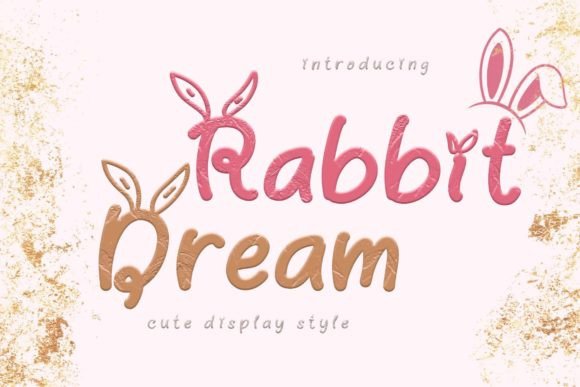
Finding a font that instantly communicates fun, whimsy, and charm can feel like searching for a needle in a haystack. Most typefaces lean either too generic or too over-the-top, leaving a gap for designers who need something that’s both distinctive and versatile. Enter Rabbit Dream—a display font that doesn’t just sit on the page; it practically hops off it. Decorated with delicate bunny ears on each character, this typeface brings a unique blend of playfulness and legibility that’s hard to ignore. Whether you’re designing for a spring campaign, a children’s brand, or a creative side project, Rabbit Dream offers a fresh visual language that feels instantly engaging.
More Than Just Cute: The Design Behind the Font
At first glance, Rabbit Dream might seem like a novelty item, but its design is surprisingly thoughtful. The bunny ear details are integrated smoothly into the letterforms, ensuring that readability isn’t sacrificed for style. Each uppercase and lowercase letter maintains consistent proportions, while the numerals and punctuation carry the same playful spirit. This isn’t a font that overwhelms—it enhances. The multilingual support makes it accessible for global projects, and the overall aesthetic walks a fine line between decorative and functional. It’s a premium font that understands its role: to add personality without compromising clarity.
Practical Applications: Where Rabbit Dream Truly Shines
So, where does a font like this fit into real-world projects? The answer might surprise you. While it’s an obvious choice for Easter-themed designs or children’s book covers, its versatility extends much further. Imagine using Rabbit Dream for a bakery’s logo, where the whimsical touches align with a homemade, artisanal vibe. Or picture it on product packaging for a line of organic snacks—the playful ears could subtly reinforce a brand’s connection to nature and freshness. Social media graphics for lifestyle bloggers, event invitations for garden parties, and even merchandise for niche communities all benefit from a typeface that doesn’t take itself too seriously.
- Branding & Logo Design: Ideal for brands targeting families, children, or anyone with a youthful spirit. The font’s uniqueness helps with instant recognition.
- Packaging & Labels: Adds a handcrafted feel to products like cosmetics, stationery, or gourmet treats.
- Digital & Print Media: Works beautifully in blog headers, poster designs, and social media ads where visual pop is essential.
- Invitations & Cards: Perfect for baby showers, birthday parties, or seasonal greetings that need a touch of charm.
Pairing Rabbit Dream with Other Typefaces
One of the smartest ways to use a display font like Rabbit Dream is to pair it with something more neutral. Since it has a strong personality, combining it with a clean sans-serif or a simple serif font creates balance. For example, use Rabbit Dream for headlines and pair it with a font like Open Sans or Lato for body text. This ensures your design remains professional while still letting the playful elements stand out. Always test your pairings at different sizes—what looks great in a logo might not work as well in a paragraph. The goal is harmony, not competition.
Readability and Audience Considerations
While Rabbit Dream is designed for clarity, it’s important to consider context. In small sizes or dense text blocks, the decorative details might become less visible. That’s why it’s best used for short, impactful text—think headlines, logos, or call-to-action buttons. For longer content, switch to a more traditional typeface. Consider your audience, too. If you’re marketing to professionals in a corporate setting, this font might feel out of place. But for creative industries, family-oriented brands, or casual consumer markets, it can be a game-changer. Always align your typography choices with the message you want to send.
Licensing and Commercial Use: What to Know
Before incorporating Rabbit Dream into a client project or commercial product, it’s crucial to understand the licensing terms. Most premium fonts come with clear guidelines for usage—whether it’s for personal projects, commercial work, or merchandise. Check if the license covers digital and print applications, and whether it allows for modifications. Some fonts require additional licenses for large-scale distribution, like on merchandise sold in bulk. Taking a few minutes to review these details upfront can save headaches later and ensures you’re using the font ethically and legally.
Final Thoughts: When to Choose a Font with Personality
Typography is one of the most powerful tools in visual communication. The right typeface can evoke emotion, build brand identity, and guide the viewer’s eye. Rabbit Dream isn’t for every project—and that’s okay. Its strength lies in its ability to inject joy and creativity into designs that need a human touch. If you’re working on something that aims to feel approachable, fun, or nostalgic, this font could be the missing piece. Test it out, experiment with pairings, and see how it transforms your work. Sometimes, the best design choices are the ones that make you smile.