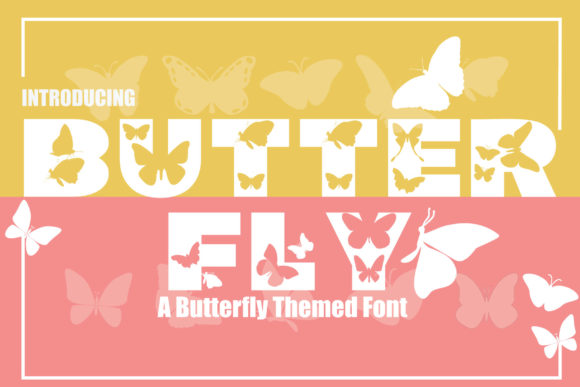
Why Butterfly Font Captures Attention with Bold, Friendly Elegance
There's a particular challenge in design that every creator faces: finding a typeface that commands attention without shouting. You need something with personality, something that feels substantial and memorable, yet approachable. It’s the difference between a font that feels generic and one that becomes a recognizable part of a brand’s voice. This is where the right display font changes everything, transforming a simple message into a visual statement that sticks with people long after they’ve seen it.
The Visual Character of a Display Typeface
Butterfly is a lovely, thick lettered display font that strikes a remarkable balance. Its letterforms are robust and confident, giving words a tangible presence on any canvas. This isn't a delicate script or a neutral sans serif; it’s a typeface designed to be seen. The thickness ensures high impact, making it perfect for headlines, logos, and any element that needs to be the focal point. Yet, its design avoids feeling heavy or blocky. There’s a subtle softness in its curves and terminals, a friendliness that prevents it from becoming aggressive. This combination of assertive weight and friendly form makes it incredibly versatile. It can feel playful and inviting for a children's brand or strong and dependable for a lifestyle company, all depending on the context and color palette you pair it with.
From Logo to Packaging: Where Bold Typography Shines
Practical application is the true test of any design asset. A font can look beautiful in a specimen sheet, but its value is proven in real-world projects. Butterfly’s thick, legible characters make it a powerhouse for logo design. A logo needs to be recognizable at a glance and scalable from a tiny favicon to a billboard. This typeface provides that clarity and impact. It ensures your brand name won’t get lost, whether it’s stamped on a leather tag or printed on a storefront window.
For packaging design, first impressions are everything. The shelf is a crowded place, and your product has milliseconds to communicate its value. Using a bold, premium font like this for the product name or a key feature creates immediate hierarchy. It tells the customer, “Look here first.” This works for everything from artisan coffee bags to cosmetic boxes, where the font’s personality can hint at the brand’s story—whether it’s rustic, luxurious, or energetic.
The digital space demands equally strong visual anchors. On social media graphics, where users scroll rapidly, a thick display font can stop the thumb. It’s perfect for quote graphics, sale announcements, or podcast cover art. Pair it with a clean sans serif for body text to create a dynamic and readable contrast. For websites and blogs, it serves as an excellent choice for hero sections, section headings, and calls-to-action, guiding the visitor’s eye and breaking up content in an engaging way.
Building a Cohesive Brand Identity
Consistency is the bedrock of brand recognition. When you use the same core typography across all touchpoints, you create a subconscious thread that ties everything together. Adopting a distinctive yet flexible font like Butterfly for your primary headlines and logos helps build this consistency. A customer might see your marketing assets in an email, then your product packaging, then a poster at an event, and the familiar typography will trigger instant recognition. It becomes a signature element of your brand identity.
This extends to print materials like business cards, brochures, and invitations. A wedding invitation set in a lovely, thick script feels celebratory and personal. A startup’s business card using a bold, modern display font communicates confidence and innovation. The font’s weight ensures it reproduces well in print, maintaining its impact whether on textured cardstock or glossy magazine paper. For merchandise like t-shirts or tote bags, a strong typeface is essential. It needs to be readable from a distance and look good when screen-printed or embroidered, a task well-suited to Butterfly’s clear, bold structure.
Practical Advice for Implementation
Choosing the right font style is just the first step. Effective use requires a bit of strategy. First, consider your project’s goal. Is it to feel whimsical, authoritative, or innovative? Match the font’s inherent personality to that goal. Butterfly’s friendly assertiveness makes it a great fit for brands that want to be seen as both strong and approachable.
Next, think about font pairing. A display font rarely works well for long paragraphs of body copy. Its job is to headline. Pair it with a highly legible serif or sans serif for running text. For example, Butterfly for headings paired with a classic serif like Georgia for body text creates a beautiful, balanced hierarchy. Testing different pairings in a mockup before finalizing is crucial.
Readability considerations are non-negotiable. While the font is thick and legible at larger sizes, avoid using it for small, dense text. Its strength is in display use. Always check how it renders on different devices for web projects and at various sizes for print. Review the included font styles—does it come with alternates, ligatures, or multilingual support? These features can add unique flair to your designs.
Finally, for any commercial project, understanding the commercial licensing is essential. Ensure you have the appropriate license for your intended use, whether for a single client project, merchandise, or software embedding. This protects you legally and ensures you’re respecting the creator’s work. A well-chosen, properly licensed creative font is an investment that pays dividends in professionalism and visual impact across all your editorial design, digital products, and web design endeavors. It’s not just about making things look good; it’s about making them work effectively for your goals.