Bing Bing: The Playful Display Font That Brings Personality to Your Projects
There's a moment in every creative project when you realize the typeface you've chosen just isn't cutting it. The words are there, the message is clear, but something feels flat—like a conversation delivered in monotone. That's where a font with genuine character changes everything. Bing Bing steps into that gap with a fresh, modern energy that manages to be both fun and versatile, giving your designs that elusive spark of personality without sacrificing usability.
A Typeface That Doesn't Take Itself Too Seriously
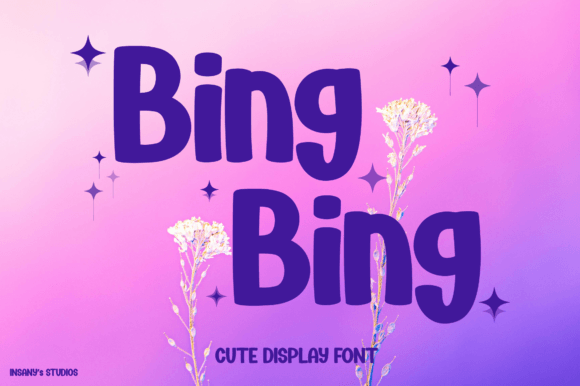
Bing Bing is a display font, which means it's built for impact rather than long-form reading. Think headlines, logos, packaging callouts, and social media posts—places where you need type to grab attention fast. What makes it stand out from the sea of bold, geometric display fonts is its quirky charm. The letterforms have a playful irregularity that feels hand-crafted rather than mass-produced, yet they maintain enough structure to read clearly at various sizes.
This balance is harder to achieve than it sounds. Plenty of creative fonts lean so far into whimsy that they become illegible. Others try for modern minimalism and end up feeling sterile. Bing Bing lands in a sweet spot: it's expressive enough to inject personality into a brand identity, but clean enough to work across multiple applications without creating visual chaos.
Where This Font Actually Works in the Real World
If you're designing a logo for a boutique coffee roaster, a children's clothing line, or a creative agency that wants to signal approachability, Bing Bing brings that instant sense of warmth and originality. The slightly playful proportions make it ideal for brands that want to feel human and relatable rather than corporate and distant.
Packaging design is another area where this typeface shines. Imagine it on a craft beer label, a artisanal chocolate box, or a subscription box for pet treats. The font does half the branding work before a customer even reads the product name—it tells you this brand has personality, that someone behind it cares about the details, that the product inside is probably worth trying.
For social media graphics, Bing Bing solves a problem many content creators face: standing out in a crowded feed. A bold, distinctive display font used consistently across Instagram posts, Pinterest pins, and Facebook banners creates immediate visual recognition. Your audience starts associating that type style with your content before they even check the username. That's brand recognition built through typography, and it costs nothing extra once you've licensed the font.
Event invitations, poster designs, and editorial layouts benefit from the same energy. A music festival poster set in Bing Bing feels instantly more exciting than one using a standard sans serif. Wedding invitations for a couple with a playful aesthetic get that touch of personality. Blog headers and website hero sections gain visual interest without needing elaborate graphics.
Even merchandise—think t-shirts, tote bags, stickers, and mugs—works beautifully with a display font like this. The quirky letterforms translate well to screen printing and embroidery, and they give products that boutique, small-batch feel that customers increasingly gravitate toward.
Making It Work With Your Existing Design Toolkit
One practical question worth addressing: how does Bing Bing play with other fonts? Display typefaces rarely work well in isolation. You'll almost certainly need a complementary font for body text, captions, or supporting information.
The good news is that Bing Bing's modern, slightly rounded character pairs nicely with clean sans serif fonts for body copy. Think of something like a straightforward geometric sans for paragraphs and longer text blocks, letting Bing Bing handle the headlines and focal points. If your project leans more editorial or traditional, a simple serif font for body text can create an interesting contrast—playful headline, trustworthy body copy.
The key principle with font pairing is contrast without conflict. You want the two typefaces to feel like they belong in the same conversation, but one clearly takes the lead while the other supports. Bing Bing's personality is strong enough that it needs a quieter partner. Avoid pairing it with another highly decorative font; that creates visual noise rather than hierarchy.
Before committing to any font for a major project, test it in context. Set your actual headlines, not just the alphabet. Check how it looks at the sizes you'll actually use. View it on different screens if it's for digital work, or print a sample if it's for physical materials. A font that looks gorgeous in a specimen sheet might behave differently when it's carrying your specific words and sitting alongside your specific brand colors.
Thinking About Licensing and Long-Term Use
For anyone planning to use Bing Bing commercially—and that includes freelancers, small business owners, and anyone selling products or services—licensing matters. A premium font typically comes with a commercial license that covers specific use cases. Read the license terms before purchase. Understand whether it covers desktop use, web use, app embedding, or merchandise production, depending on your needs.
This isn't just about legal compliance, though that's reason enough. Licensed fonts also give you access to updates, proper file formats, and sometimes additional styles or weights that free alternatives simply don't offer. The investment in a quality commercial font often pays for itself in the professionalism and consistency it brings to your brand materials.
Consider, too, the full range of styles included with the typeface. Some display fonts come with alternates, ligatures, or stylistic variations that multiply your creative options. Exploring these extras during the design process can help you find unique combinations that set your work apart from anyone else using the same font.
The Bottom Line on Choosing the Right Creative Font
Typography choices signal intent. A serious financial institution uses different type than a streetwear brand, and both are right for their context. Bing Bing signals creativity, approachability, and modern sensibility. If those qualities align with your brand or project, it's worth exploring seriously.
The best way to know if a font works for you is to use it. Set your brand name in it. Mock up a social media post. Print a business card. Live with it for a few days and see if it still feels right. A great typeface grows on you—it starts to feel like your brand's voice rather than just a design choice.
Whatever you're building—a new brand from scratch, a product launch, a content series, or a personal creative project—giving typography the attention it deserves pays dividends in audience engagement, visual consistency, and professional presentation. Bing Bing offers a distinctive voice in a landscape full of safe choices, and sometimes that's exactly what a project needs to connect with the people it's meant to reach.