The Last Kingdom: A Font with a Story to Tell
Every brand, project, and creative endeavor has a narrative. The visual tools you choose, especially your typography, are the first words of that story. If you're searching for a typeface that doesn't just sit on the page but speaks with character, you've likely encountered The Last Kingdom. This isn't just another display font; it's a design asset with a distinct personality, capable of lending instant depth and intrigue to your work. It strikes a unique balance between historical reference and modern flair, making it a surprisingly versatile player in a designer's toolkit.
Understanding the Font's Unique Character
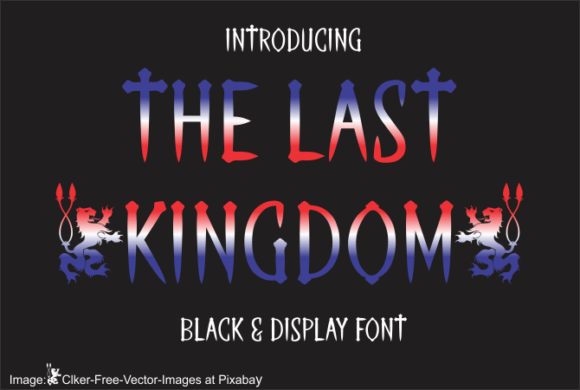
At its core, The Last Kingdom is a creative font that draws inspiration from a bygone era, yet it avoids feeling like a dusty relic. Think of the elegant, strong letterforms found in historical manuscripts or the titles of epic films, but refined for contemporary use. Its visual appeal lies in its sharp serifs, subtle weight variations, and a certain authoritative grace. This gives it a premium font feel that commands attention without shouting. It’s the kind of typeface that can make a headline feel monumental or a single word on a poster feel deeply significant. It’s not a workhorse sans serif font for body copy, nor is it a casual script font. It’s a specialist—a display font designed for impact at larger sizes, perfect for moments where you need your text to be a visual feature, not just information.
Where This Typeface Truly Shines: Practical Applications
The real value of any design asset is in its application. The Last Kingdom excels in scenarios where you need to establish a specific mood or elevate the perceived quality of a project. Its versatility is its strength, fitting seamlessly into a wide pool of designs across both digital and print landscapes.
For Branding and Logo Design: A logo is the cornerstone of a brand identity. Using this font for a wordmark or an emblem can instantly communicate tradition, strength, sophistication, or adventure. Imagine it for a craft brewery, a bespoke leather goods maker, a historical tour company, or a fantasy-themed subscription box. It helps in brand recognition by creating a memorable and stylistically consistent visual anchor.
In Packaging and Editorial Design: On a product label or book cover, typography sells the story before the customer reads a word. The Last Kingdom can make a coffee bag feel artisanal, a wine label feel heritage-rich, or a book cover feel like an epic saga. In editorial design, it’s perfect for chapter titles, pull quotes, or magazine feature headers, adding a layer of professional presentation and visual rhythm to the layout.
Across Digital Platforms: In the realm of web design and social media graphics, standing out is everything. This font can be used for hero section headlines on a website to create immediate impact, or for the title treatment on a YouTube thumbnail or Instagram story to stop the scroll. It brings a level of polish to digital products like e-book covers, online course graphics, or podcast artwork that generic fonts often lack.
For Print and Marketing Assets: The applications extend to posters, invitations, and marketing assets like brochures and event programs. A wedding invitation suite using this font sets a tone of grandeur. A poster for a local theater production or a festival gains an authoritative voice. It ensures your visual consistency across all touchpoints, reinforcing your message with every piece of communication.
Making It Work: Pairing and Practicality
Introducing a strong character font like The Last Kingdom into your projects requires a bit of strategy. The goal is to let it shine without overwhelming your design. Here’s some practical advice for using it effectively:
- Choose the Right Context: This is a headline and accent font. Use it for titles, subheadings, logos, and short, impactful phrases. Avoid setting long paragraphs of body text with it, as its intricate details can reduce readability at small sizes. For your main body copy, pair it with a clean, highly legible sans serif font or a simple serif font.
- Master Font Pairing: The key to great font pairing is contrast and harmony. Let The Last Kingdom be the star. Pair it with a neutral, geometric sans serif like Montserrat or Lato for a modern, balanced look. For a more classic, literary feel, pair it with a transitional serif like Georgia or a contemporary serif like Lora. The contrast allows the display font’s personality to come forward while maintaining overall readability.
- Explore Included Styles: Many premium font packages include alternate characters, ligatures, or stylistic sets. Take the time to review what’s included with The Last Kingdom. Swapping out a standard ‘R’ for an alternate with a more ornate leg, or using a discretionary ligature for ‘Th’, can add a unique, custom touch to your designs and enhance the professional presentation.
- Consider Licensing: If you’re using the font for commercial projects—client work, merchandise, or products for sale—ensure you have the correct commercial font license. This is a critical step that protects you legally and supports the type designers who create these valuable design assets.
Ultimately, The Last Kingdom is more than just a collection of letters. It’s a tool for storytelling. Its strength lies in its ability to evoke a specific feeling—whether that’s authority, elegance, mystery, or heritage—with just a few keystrokes. By understanding its personality and applying it thoughtfully, you can use it to create designs that are not only beautiful but also strategically effective, helping you connect with your audience on a deeper level and make your creative projects truly unforgettable.