Unlocking Playful Typography: The Random Story Font Experience
There is a specific kind of energy that only a well-crafted display font can bring to a project. When you are working on a design that needs to feel approachable, lively, and distinctly human, standard corporate typefaces often fall flat. This is where Random Story enters the conversation. It is a straightforward display font designed to inject personality into your work without requiring a degree in typography to use effectively. Whether you are a small business owner looking to refresh your packaging or a content creator aiming to make your social media posts pop, this typeface offers a practical solution for adding a touch of fun and distinctiveness to your visual communication.
Understanding the Anatomy of a Playful Typeface
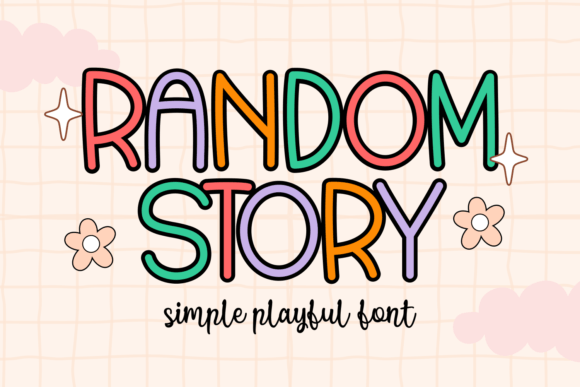
At its core, Random Story is built on the principles of clarity and character. Unlike complex script fonts or highly stylized handwritten typefaces that can become illegible at smaller sizes, Random Story maintains a clean structure. It functions as a bridge between the casual warmth of hand-lettering and the legibility required for professional design assets. The letterforms are crafted to flow naturally, mimicking the slight inconsistencies of human writing while maintaining a consistent baseline and x-height. This balance is crucial. It allows the font to feel personal and authentic—traits that modern audiences crave—without sacrificing the readability needed for effective marketing assets.
Visually, the font avoids the rigidity of geometric sans-serif fonts. Instead, it embraces a softer, more organic aesthetic. This makes it an excellent choice for projects where you want to break down barriers with your audience. For instance, a tech startup might use a sleek, modern typography style for their interface code, but when it comes to their "About Us" page or a welcome email, a font like Random Story can humanize the brand. It signals to the reader that there are real people behind the logo, ready to engage. The visual appeal lies in its versatility; it is quirky enough to be interesting but structured enough to be trusted.
Practical Applications: From Packaging to Pixels
The true value of a creative font is measured by how many problems it can solve across different mediums. Random Story shines in this regard, offering a wide range of applications for both digital and print environments.
Branding and Logo Design: For businesses in the lifestyle, food, or creative industries, a logo sets the tone. Using Random Story for a wordmark can instantly convey a brand identity that is friendly and customer-focused. Imagine a local bakery, a children’s boutique, or a handmade candle shop; this font style aligns perfectly with products that are made with care. It helps in building brand recognition because the typography itself becomes a memorable part of the visual identity.
Packaging Design: In the crowded aisles of a grocery store or the endless scroll of an e-commerce site, packaging needs to speak fast. Random Story works beautifully for headlines on packaging. If you are designing a label for a "Spicy Chili Sauce" or a "Lavender Relaxation Kit," the font adds flavor to the words before the customer even reads the description. It creates an emotional connection, suggesting that the product inside is approachable and enjoyable.
Social Media and Web Design: The digital landscape is noisy. To stop the scroll, your graphics need personality. This display font is perfect for Instagram quotes, Pinterest pins, and website hero sections. It pairs exceptionally well with clean sans-serif fonts for body text. For example, you could use Random Story for a catchy blog post title to draw the reader in, then switch to a standard serif or sans-serif for the article body to ensure comfortable reading. This combination of a creative font for headers and a standard font for content creates a professional presentation that guides the viewer’s eye effectively.
Print Materials and Invitations: In the realm of editorial design and stationery, Random Story excels at setting a mood. For wedding invitations, party flyers, or event posters, the font provides a handwritten feel without the cost of custom calligraphy. It is particularly effective for greeting cards where the message needs to feel intimate. If you are a crafter selling digital products, such as printable planners or wall art, this font adds the necessary charm that makes a digital download feel like a tangible gift.
Strategic Typography: Improving Engagement and Consistency
Choosing a font is not just an aesthetic decision; it is a strategic one. Typography plays a massive role in how your message is received and processed. When you integrate Random Story into your design toolkit, you are making a choice to prioritize engagement.
One of the primary challenges in design is maintaining visual consistency across multiple platforms. A brand might look great on a website but disjointed on a printed flyer because the typography doesn't translate well. Because Random Story is designed as a straightforward display font, it renders well in various sizes, provided it is used for headlines or emphasis rather than long paragraphs. This reliability ensures that your brand voice remains consistent whether a customer is looking at a mobile screen or a physical poster.
Furthermore, readability is the silent killer of bad design. A font might look beautiful in a design file, but if the audience struggles to decipher the letters, the message is lost. Random Story avoids the overly flourished ligatures that plague many script and handwritten fonts. Each character is distinct, reducing the cognitive load on the reader. This clarity leads to better audience engagement because the focus remains on the content of the message rather than the struggle to read it.
Pairing and Professional Polish
No font exists in a vacuum. To get the most out of Random Story, consider how it interacts with other typefaces. A common mistake is pairing two display fonts together, which creates visual chaos. Instead, treat Random Story as the star of the show and use a neutral supporting cast.
A highly effective strategy is to pair it with a geometric sans-serif font like Montserrat, Poppins, or Lato for your body copy. The clean lines of the sans-serif provide a modern, professional backdrop that allows the playful nature of Random Story to stand out without overwhelming the design. Alternatively, if you are going for a more vintage or organic look, pairing it with a classic serif font like Garamond or Georgia can create a sophisticated contrast between the formal body text and the casual headers.
When testing your font pairings, pay attention to the hierarchy. Use Random Story for the main value proposition or the emotional hook of your design. Use your secondary font for the details, specifications, and calls to action. This hierarchy ensures that your design is not only beautiful but also functional, guiding the user toward the desired action, whether that is buying a product, reading an article, or signing up for a newsletter.
Licensing and Commercial Usage
For designers, entrepreneurs, and agencies, the legal aspect of font usage is just as important as the visual one. When utilizing Random Story for client work or commercial products, it is essential to review the licensing terms. Most premium fonts come with specific licenses that dictate how the font can be used.
Ensure that your license covers the intended use case. For example, a standard desktop license usually covers print materials and static images. However, if you plan to embed the font in a mobile app, a video game, or use it for print-on-demand merchandise (like T-shirts or mugs) where the font file is part of the product being sold, you may need an extended or specific commercial license. Always verify these details to protect your business and your clients. Using a properly licensed font not only ensures legal compliance but also supports the type designers who create these valuable assets.
In the end, Random Story is more than just a collection of glyphs; it is a tool for connection. It allows you to speak to your audience with a voice that is warm, clear, and memorable. By understanding its strengths and applying it thoughtfully to your branding, packaging, and digital content, you can elevate your projects from merely functional to genuinely engaging.